
How to Protect Your Asphalt from Freeze Damage: A Winter Maintenance Checklist
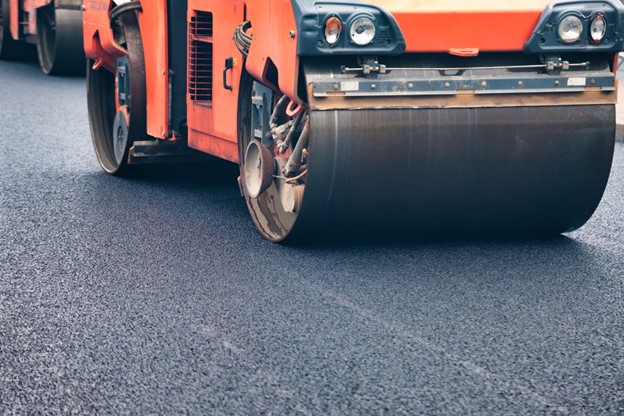
Safeguarding asphalt from freeze-damage involves sealing small cracks before winter, keeping the surface neat and dry, managing drainage so water never sits, and monitoring problem areas throughout the cold months.
Asphalt surfaces face one of their toughest seasons as winter approaches. Freezing temperatures, moisture, and repeated thaw cycles quietly work below the surface, often causing damage that only becomes obvious once spring arrives.
This blog will highlight how winter weather impacts asphalt, the sensible steps you can take before and during winter, and how continuing care helps your pavement stay robust through freeze cycles.
Understand How Freeze and Thaw Really Damage Asphalt
Freeze damage doesn't happen suddenly. Water slips into little surface cracks that are overlooked during warmer months. When temperatures drop, that trapped moisture grows and pushes outward. As temperatures rise again, the water contracts, widening the crack slightly.
During winter, a tough cycle takes place that really wears down asphalt. Water seeps into cracks, freezes, and expands, then thaws again, slowly but surely digging away at the road from the inside. On top of that, when heavy vehicles rumble over these already vulnerable spots, they make the situation even worse. Understanding this process really highlights why it’s so important to take action early. If we address the issues before they spiral out of control, we can help preserve our roads for longer.
Seal Cracks Before Cold Weather Sets In
Crack sealing is a vital winter prep step. Even hairline cracks are an open invitation for water to enter and freeze. Sealing them before temperatures consistently drop creates a flexible barrier that moves with the pavement rather than fighting against it.
This step works best when the surface is dry and clean, so timing matters. Many property owners schedule sealing in early fall to avoid rushing once the cold arrives.
Apply Protective Sealcoating at the Right Time
A quality sealcoat acts like a winter jacket for asphalt. It helps block moisture, shields the surface from harsh conditions, and slows down natural oxidation. Asphalt sealcoating in Cleveland is especially valuable before winter because it reduces water penetration that leads to freeze damage.
The key is applying it during appropriate weather so it cures properly. Once cured, the surface is better prepared to face snow, ice, and fluctuating temperatures.
Keep the Surface Clean and Clear
Leaves, dirt, and debris trap moisture against the asphalt. During winter, that moisture has nowhere to go and often freezes in place. Clearing the surface before winter begins allows water to drain instead of settling into low spots.
During the season, prompt snow removal also helps. Snow that has melted and refrozen can create repeated stress on the surface. Use plastic-edged tools rather than metal to avoid scraping and gouging the pavement.
Pay Attention to Drainage and Standing Water
Poor drainage is one of the fastest ways to invite freeze damage. Any area where water pools is a high-risk zone once temperatures drop. Take time before winter to inspect slopes, drains, and edges.
Ensure water flows away from the surface instead of sitting still. Addressing drainage concerns early reduces the chances of deep structural issues forming under the asphalt.
Monitor High Traffic and Problem Areas
Every part of a surface doesn't age at the same rate. Areas near entrances, loading zones, or turning points experience more pressure. These spots are often the first to show signs of cracking during winter.
Keeping an eye on them allows minor issues to be addressed before they spread. Many property owners rely on an asphalt maintenance company in Cleveland to help identify these vulnerable areas during routine inspections.
Avoid Deicing Practices That Harm Asphalt
Ice control is necessary for safety, but certain products can be tough on asphalt. Some harsh chemicals speed up surface deterioration and worsen existing cracks.
Using asphalt-safe deicers and applying only what is necessary helps reduce long-term damage. Gentle practices paired with good surface preparation go a long way during the winter months.
Plan for Ongoing Winter Checkups
Winter maintenance doesn't end once the first snowfall hits. Periodic visual checks help catch early signs of trouble. Look for widening cracks, new depressions, or areas that stay wet longer than others.
Working with an experienced asphalt maintenance company in Cleveland ensures that issues are addressed quickly rather than waiting for spring surprises.
Why Consistent Protection is Essential
Winter is demanding, but properly prepared asphalt holds up far better than neglected surfaces. Regular care, timely sealing, and attention to drainage all work together to reduce freeze damage. Asphalt sealcoating in Cleveland, combined with smart winter habits, helps extend surface life and maintain a clean, safe appearance year after year.
In summary, protecting asphalt from freeze damage starts with understanding how winter affects it, sealing cracks early, managing moisture, and staying attentive throughout the season. With the right preparation and support, winter doesn't have to mean costly repairs later.
If your surface needs professional guidance, reach out to Buckeye Surface Maintenance to put your worries to rest.